

Construction Estimating: A Complete Guide for Accurate Project Costs
Effective construction estimating is a fundamental aspect of the construction sector. No matter if you are a contractor, project manager, or owner, having the exact cost of a project from beginning to end could be the key to making a profit or incurring a loss. Construction estimating refers to the process of determining the overall cost of a project, which comprises labor, materials, equipment, overhead, and contingency. This guide will cover the entire range of construction estimating including the very basic concepts and the application of best practices for accurate calculations.
What is Construction Estimating?
Construction estimating represents the process of predicting the costs associated with a construction project. The estimator uses different sources of information, like site plans, chosen materials, and labor costs, to create a budget that will guide the project throughout its existence from starting to finishing.
- Project Scope: Determines the total work involved, including design, procurement, and construction tasks.
- Cost Categories: Breaks down costs into specific categories such as direct costs (labor, materials, and equipment) and indirect costs (overhead, permits, and insurance).
- Purpose: Provides a clear financial roadmap for the project, helping to ensure that it stays within budget and is profitable.
Types of Construction Estimates
Various kinds of construction estimates are utilized during different phases of a project. These estimates fluctuate from very approximate initial figures to very precise ultimate computations..
- Preliminary Estimate: A rough estimate based on limited information, usually given in the early stages of a project. It helps to gauge the overall scope and budget.
- Detailed Estimate: This is based on detailed drawings and specifications. It includes specific quantities of materials, labor costs, and overhead expenses.
- Final Estimate: The most accurate form of estimating, which accounts for all final variables, including any last-minute changes or modifications to the project.
Different purposes are served by each of these estimates, but all are important in the construction estimating process to guarantee that the project is delivered within the budget.
The Key Components of Construction Estimating
If you grasp the essential parts of construction estimating, it will be easier for you to predict costs more accurately. The components are labor, materials, equipment, and overhead, and each of them is important in arriving at the total project cost.
1. Labor Costs
Labor costs are among the largest expenses in every single construction project. The mentioned costs encompass workers’ pay, benefits, insurance, and taxes for those working on the spot. It is very important to accurately estimate labor costs so as not to underestimate the overall cost of a project.
- Hourly vs. Salaried Labor: Different labor rates depending on the nature of the worker’s position.
- Productivity: Estimating how many hours each task will take based on the complexity of the job.
- Labor Overhead: Includes worker compensation, insurance, and payroll taxes.

2. Materials Costs
Materials constitute a considerable percentage of construction estimating and the total budget might be strongly influenced by the correct materials pricing. It is necessary to take into account the quantity, quality, and accessibility of materials.
- Material Takeoff: Creating a list of all materials needed and their quantities.
- Price Fluctuations: Keep in mind that material prices can fluctuate depending on market conditions.
- Material Lead Times: Consider the time it will take for materials to be delivered to the site.
3. Equipment Costs
Construction equipment is needed for specific tasks on the job site. Whether it’s cranes, bulldozers, or excavators, the cost of equipment should be factored into the overall estimate.
- Rental vs. Ownership: You must calculate whether it’s more economical to rent equipment or own it.
- Maintenance Costs: Ensure that equipment maintenance is part of the overall cost estimation.
- Operational Costs: Factor in fuel, operator wages, and other related costs for operating the equipment.
4. Overhead and Miscellaneous Costs
Overhead costs cover the indirect expenses of the project, such as insurance, utilities, and permits. These should not be overlooked when estimating construction costs.
- Project Management Fees: Fees for overseeing the entire project.
- Legal Costs: Licenses, permits, and other legal requirements.
- Contingency Fund: A buffer to account for unexpected expenses during the project.
Best Practices for Accurate Construction Estimating
To ensure that your construction estimate is as accurate as possible, follow these best practices:
- Use Historical Data: Refer to past project data to get a clearer idea of potential costs. Historical data can reveal patterns that will help in accurate forecasting.
- Break Down the Costs: Always break down the project into smaller sections. This allows for more precise calculations and helps identify areas where costs can be reduced.
- Incorporate Contingencies: Set aside a contingency fund for unforeseen circumstances. A common practice is to add 5-10% to the estimated total cost as a buffer.
- Collaborate with Experts: Consult with suppliers, subcontractors, and other professionals to get accurate estimates of material and labor costs.
- Use Estimating Software: Construction estimating software can streamline the process, reducing errors and ensuring consistency.
Tools for Construction Estimating
In today’s digital world, construction estimating is made easier with software tools designed specifically for the task. Here are a few of the best tools for construction estimating:
- Procore: Offers an all-in-one construction management platform, including a cost estimating feature.
- Buildertrend: Helps contractors create detailed estimates, track expenses, and manage budgets.
- PlanSwift: A popular tool for material takeoff and estimating, with an intuitive interface that simplifies the process.
Common Challenges in Construction Estimating
Even with the best tools and practices in place, construction estimating can still be challenging. Some of the most common challenges include:
- Unexpected Costs: Changes in project scope or market conditions can lead to unforeseen expenses that affect the budget.
- Inaccurate Data: If the data used in the estimate is incorrect or incomplete, it can lead to major discrepancies between the estimate and the final cost.
- Labor Shortages: Fluctuations in the availability of skilled labor can impact project timelines and costs.
- Material Price Fluctuations: Prices for materials can change unexpectedly due to supply chain issues or market demand.
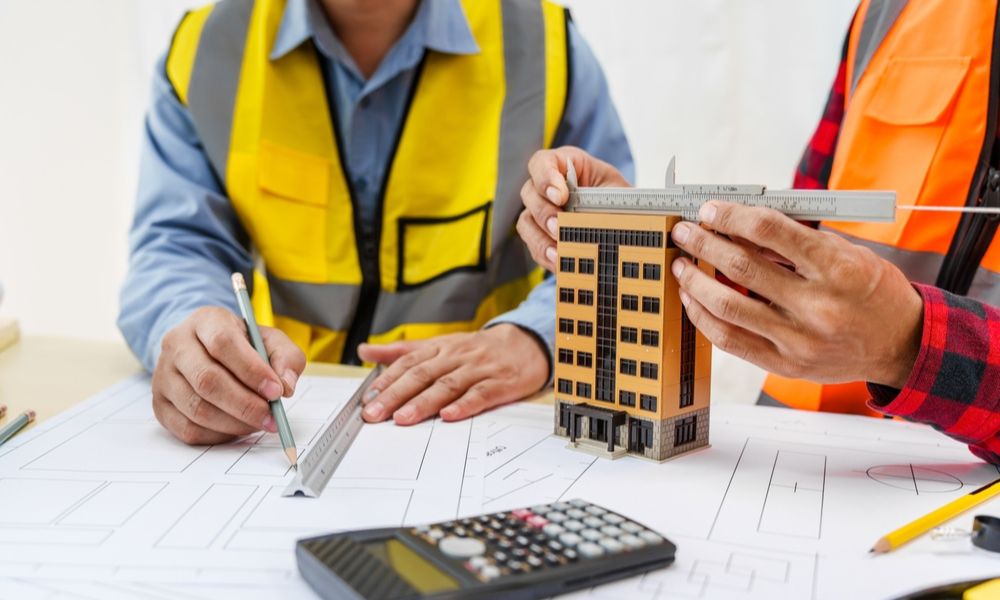
By being aware of these challenges, you can take steps to minimize their impact on your estimates.
Conclusion
Construction estimating is an essential skill that all professionals in the industry must master. Whether you’re working on residential, commercial, or industrial projects, an accurate estimate ensures the success of the project by keeping it within budget. By focusing on labor, materials, equipment, and overhead, and using best practices such as historical data, collaboration, and estimating software, you can produce reliable cost estimates that will benefit the project’s bottom line.
- Follow best practices: Break down costs and involve experts to minimize errors.
- Incorporate contingencies: Always plan for unexpected costs.
- Leverage technology: Use software tools to streamline the estimating process.
For more information or assistance with your next construction project, feel free to contact us. You can visit us at 98 Cutter Mill Rd, Great Neck Plaza, NY 11021, United States or reach us by phone at 561-780-7436. Our team is ready to help you achieve accurate, reliable cost estimates for your construction needs.
Frequently Asked Questions (FAQs)
1. What is the difference between a preliminary estimate and a detailed estimate?
A preliminary estimate is a rough approximation made in the early stages of a project based on limited information. It helps to establish a rough budget. A detailed estimate involves precise calculations and detailed project specifications, taking into account exact material quantities, labor costs, and more.
2. How do I account for changes in material prices during the project?
To account for changes in material prices, it’s essential to regularly review market conditions and factor in price fluctuations when estimating material costs. Including a contingency fund can also help cover unexpected price hikes during the course of the project.
3. What should I do if my estimate exceeds the project budget?
If your estimate exceeds the budget, review the estimate carefully to identify areas where costs can be reduced. This could include using more cost-effective materials, reducing scope, or optimizing labor efficiency.
4. How can estimating software improve my construction estimating process?
Estimating software helps streamline the process by providing accurate takeoff tools, tracking material prices, and automating calculations. This reduces human error and ensures that your estimates are more consistent and reliable.
5. What are the most common mistakes in construction estimating?
Common mistakes in construction estimating include underestimating labor costs, failing to account for project delays, ignoring price fluctuations in materials, and overlooking indirect costs such as permits or insurance. Accurate data and thorough review can help avoid these pitfalls.